Hello, I am a Data Steward
ReproducibiliTea Journal Club, University of Zurich
May 28, 2026
Meet a data steward
Meet a data steward
I have:
- 10+ years work experience (5 in research, at Eawag)
- empathy, compassion, patience, persistence
- an affinity for IT
- teaching experience
- learned how people learn
I don’t have:
- a doctoral degree
- a qualification in computer science
- a qualification in statistics
- a lot of time
Job Description: Open Science Specialist
8 learnings from 4 years
#1 Technology is not on our side
The Modern Academic’s Challenges
- Overflowing email inboxes
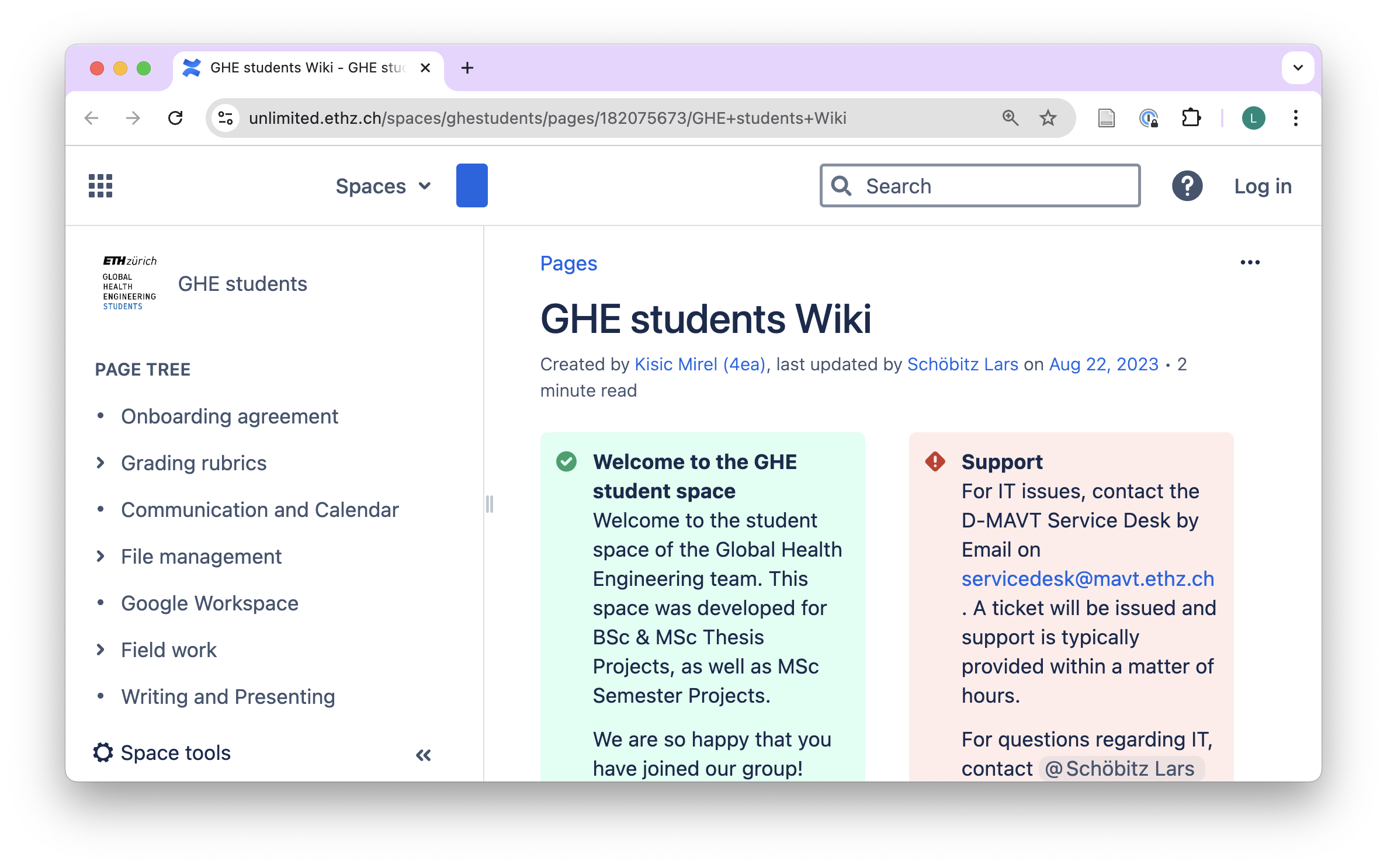
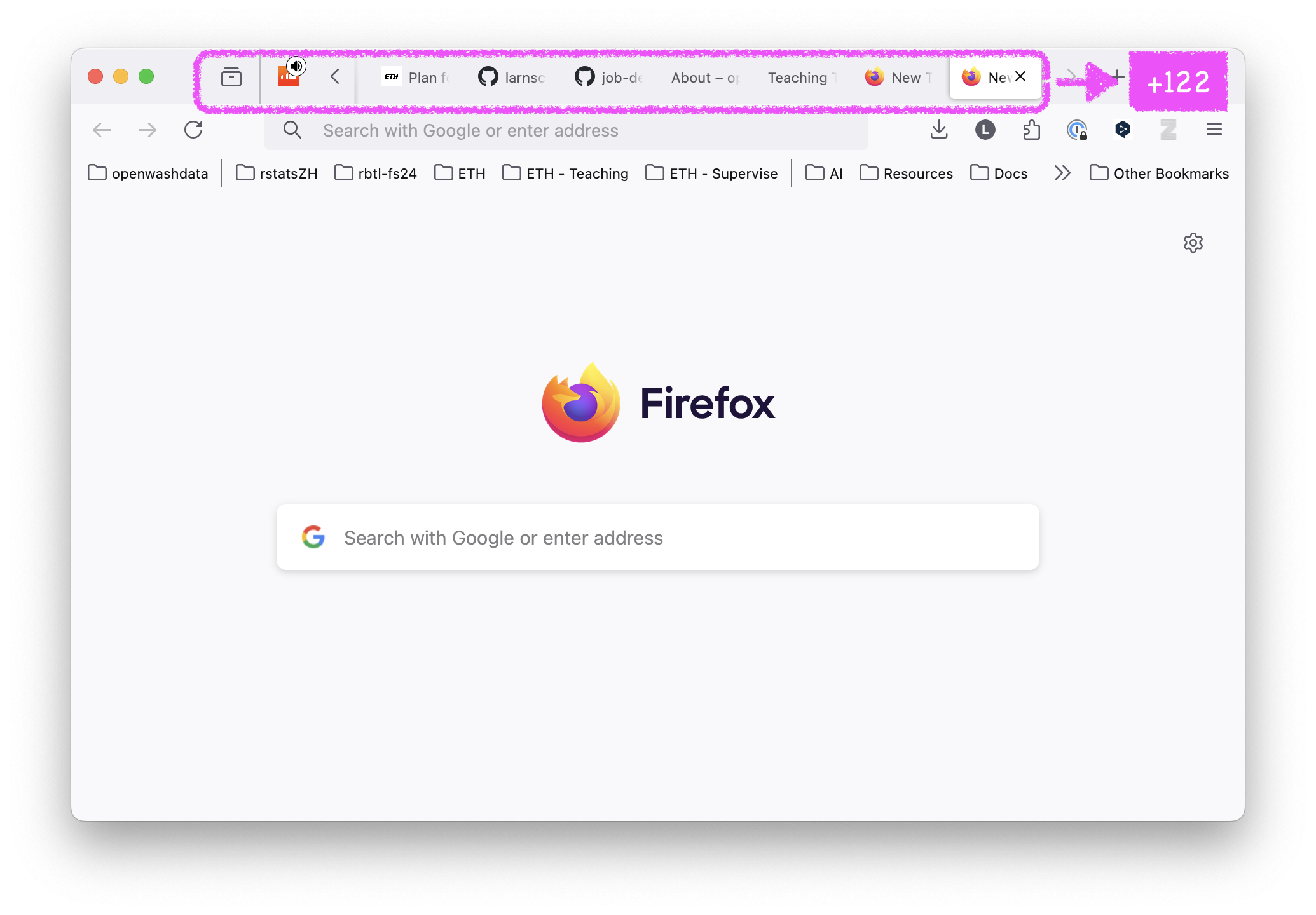
- Browsers with hundreds of tabs
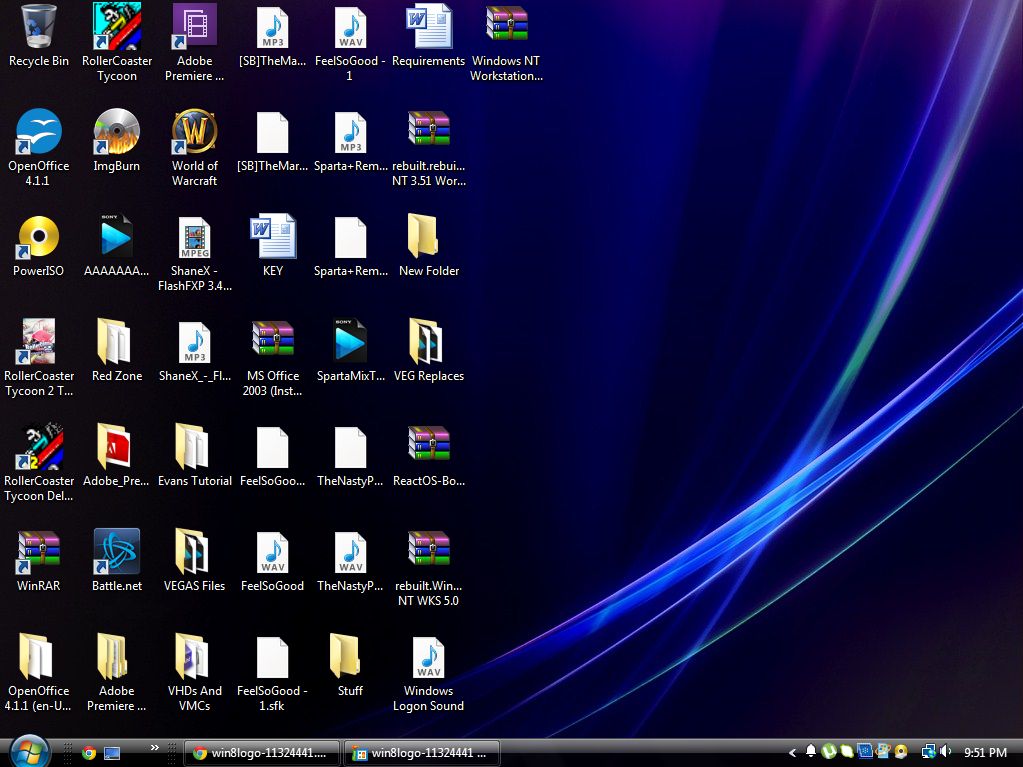
- Files on stored on Desktops
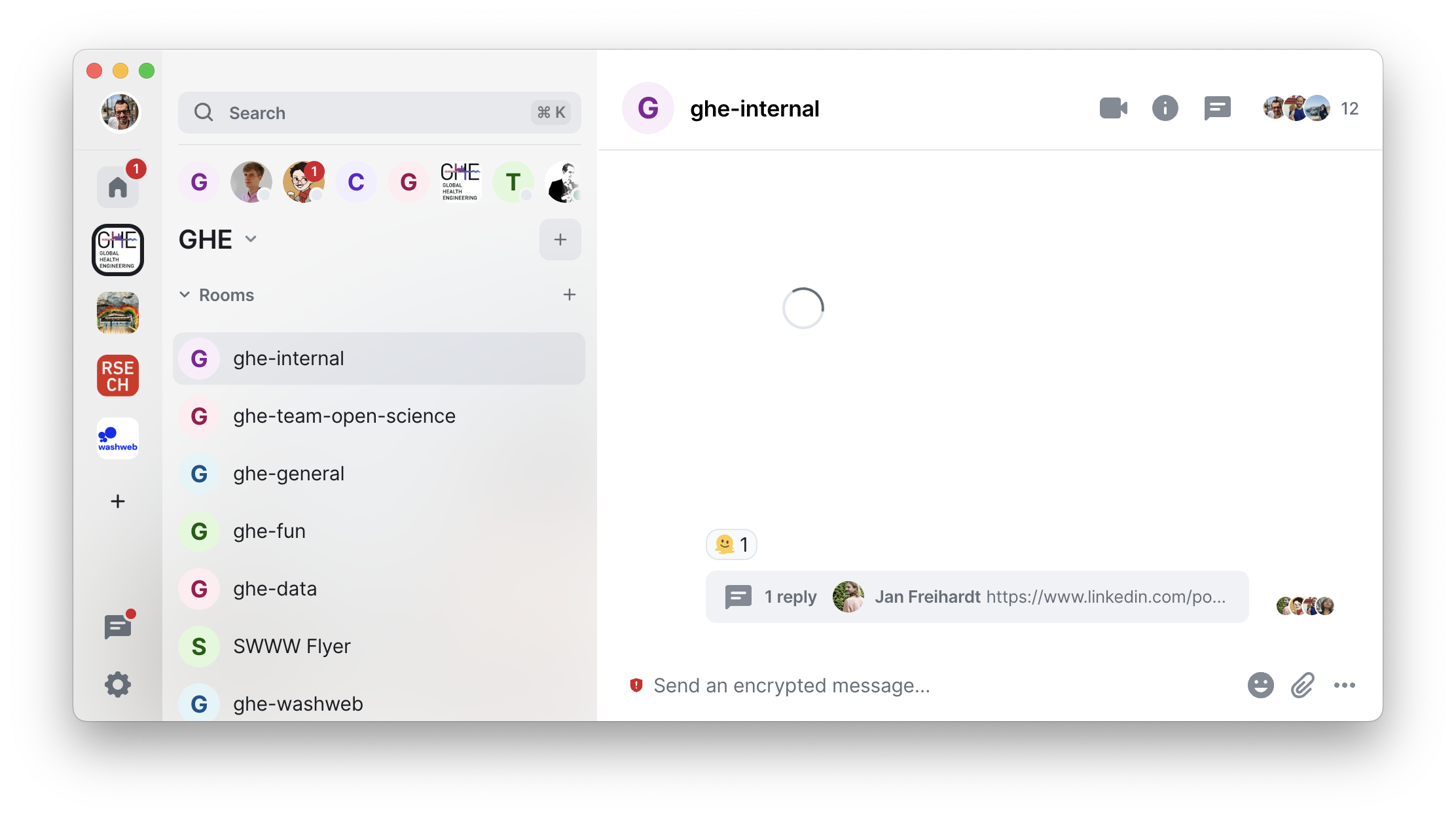
- MS Teams, Slack, Element, NAS, Google Drive, …
- Credentials, Passwords, OTPs, 2FAs, PATs, …

#2 ETH wants reproducibility
ETH RDM Guidelines (2022)
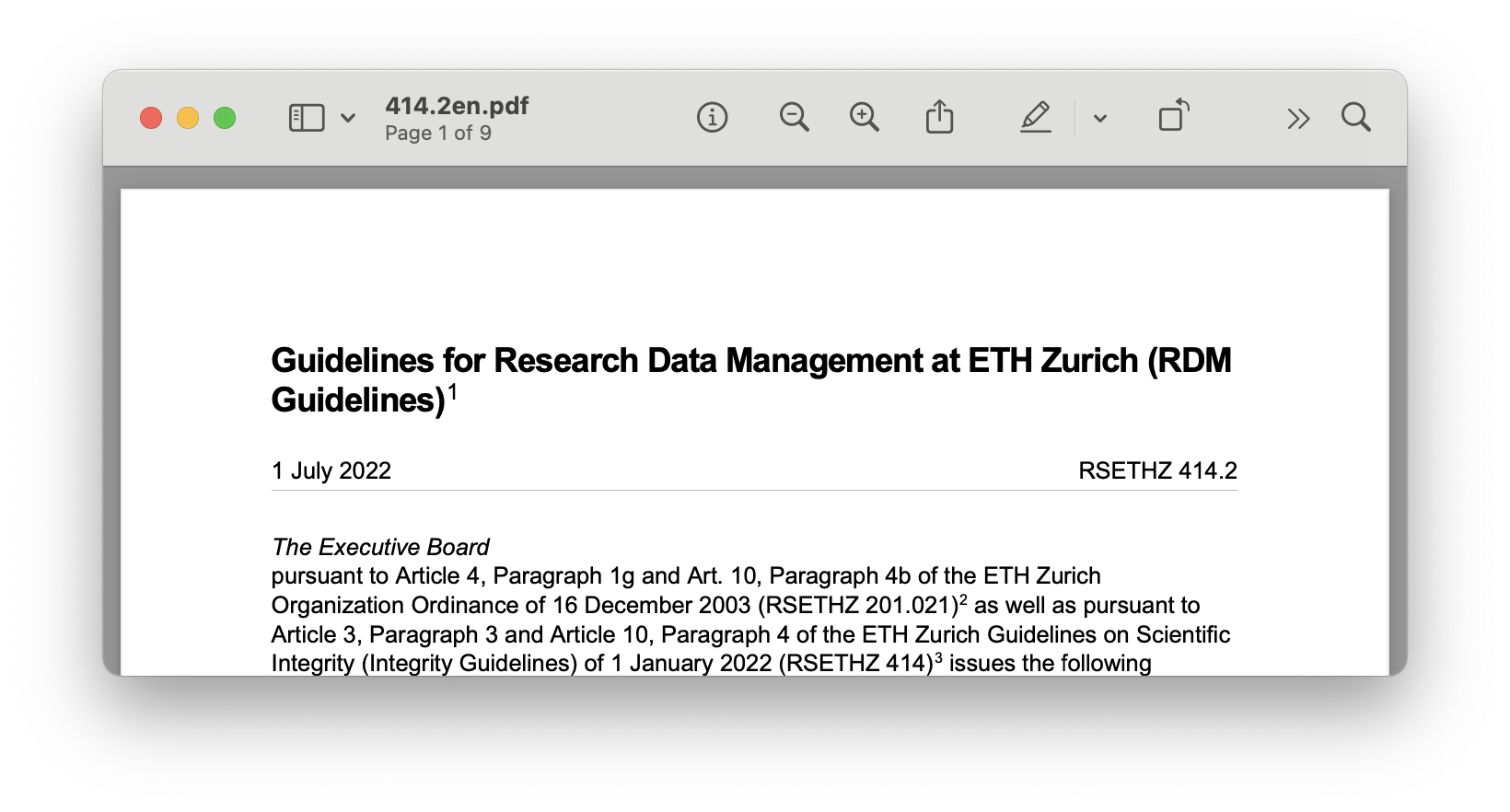
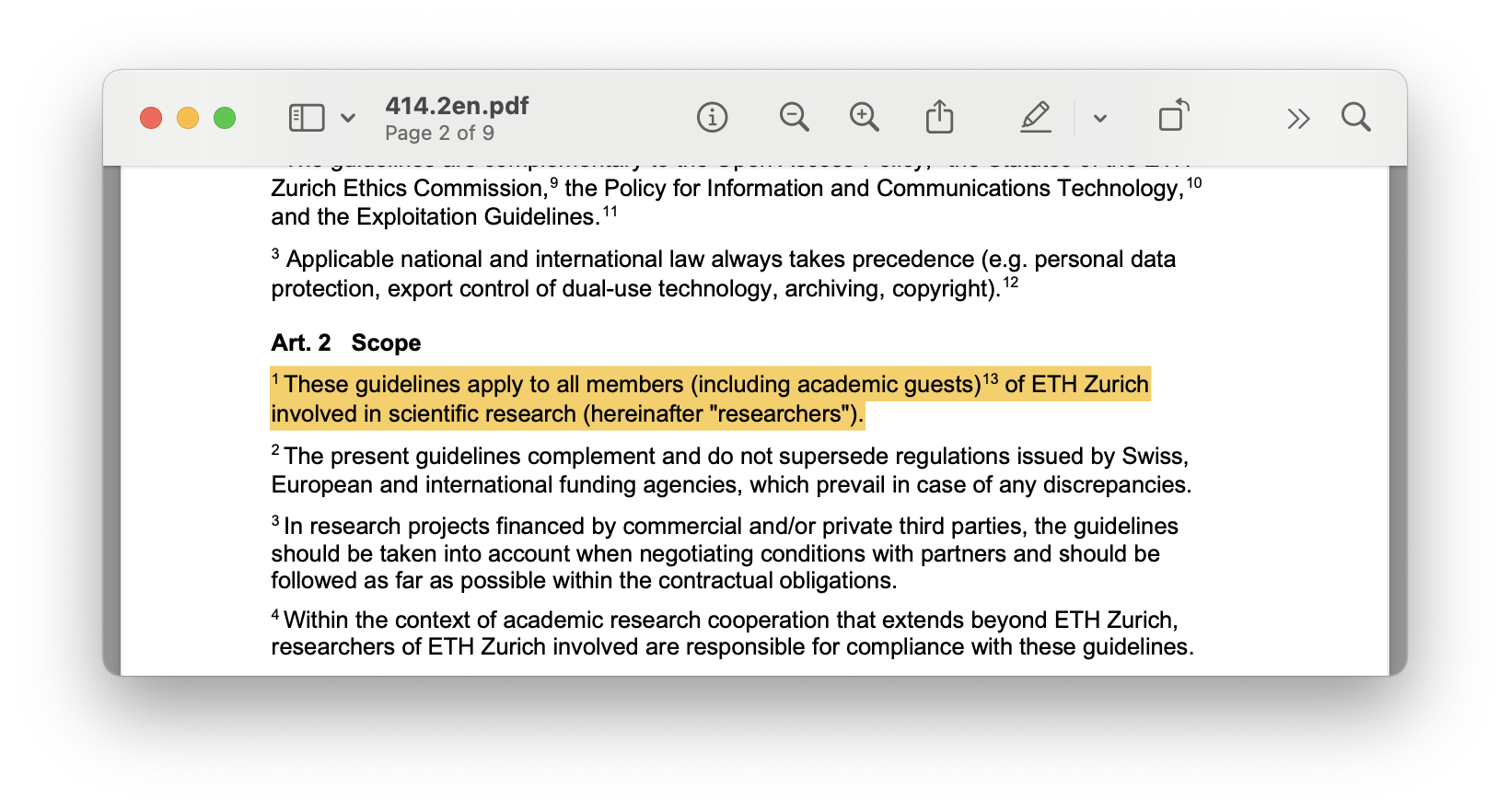
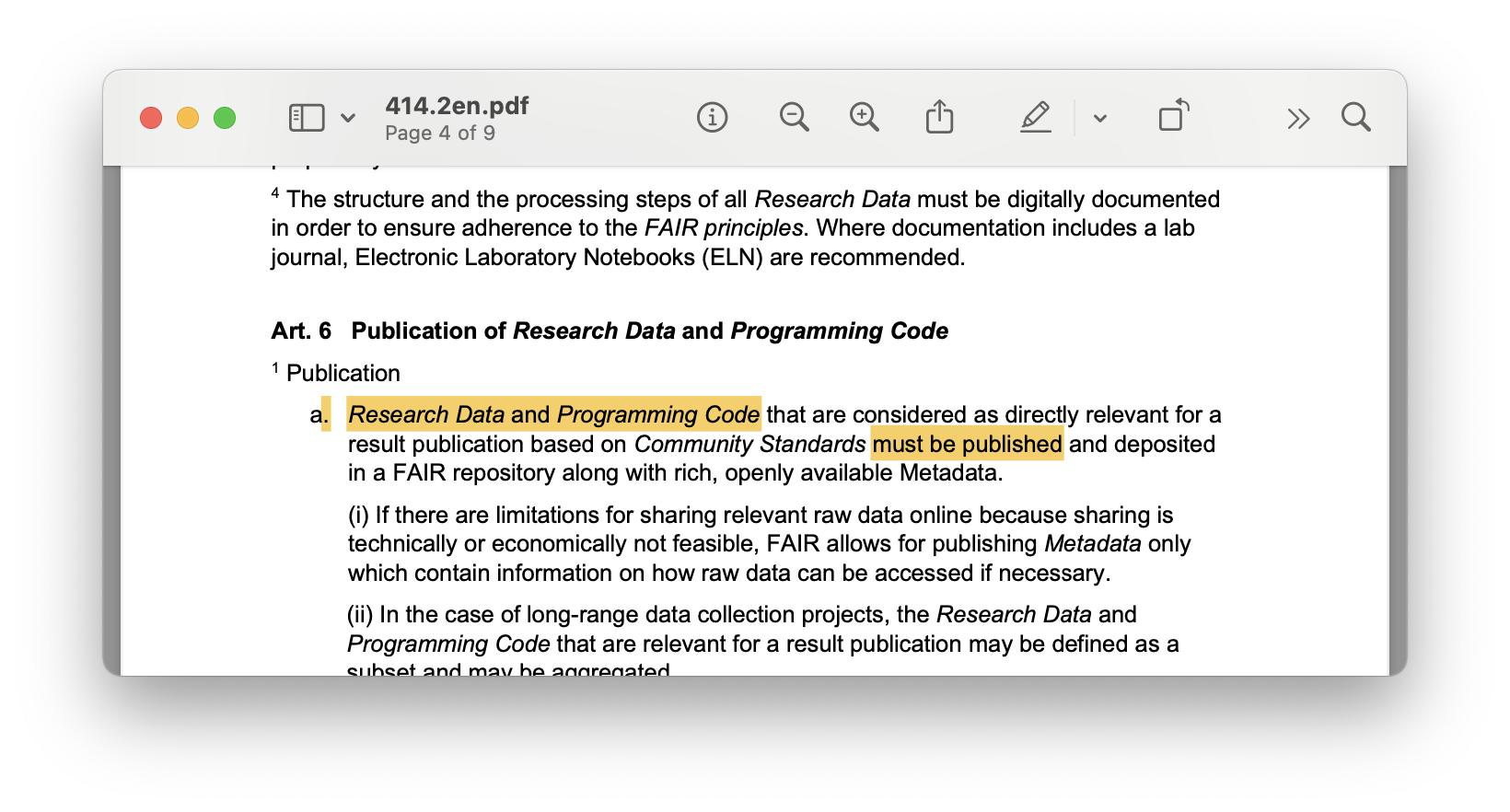
ETH RDM Guidelines (2022): https://rechtssammlung.sp.ethz.ch/Dokumente/414.2en.pdf
FAIR data sharing principles (2016)
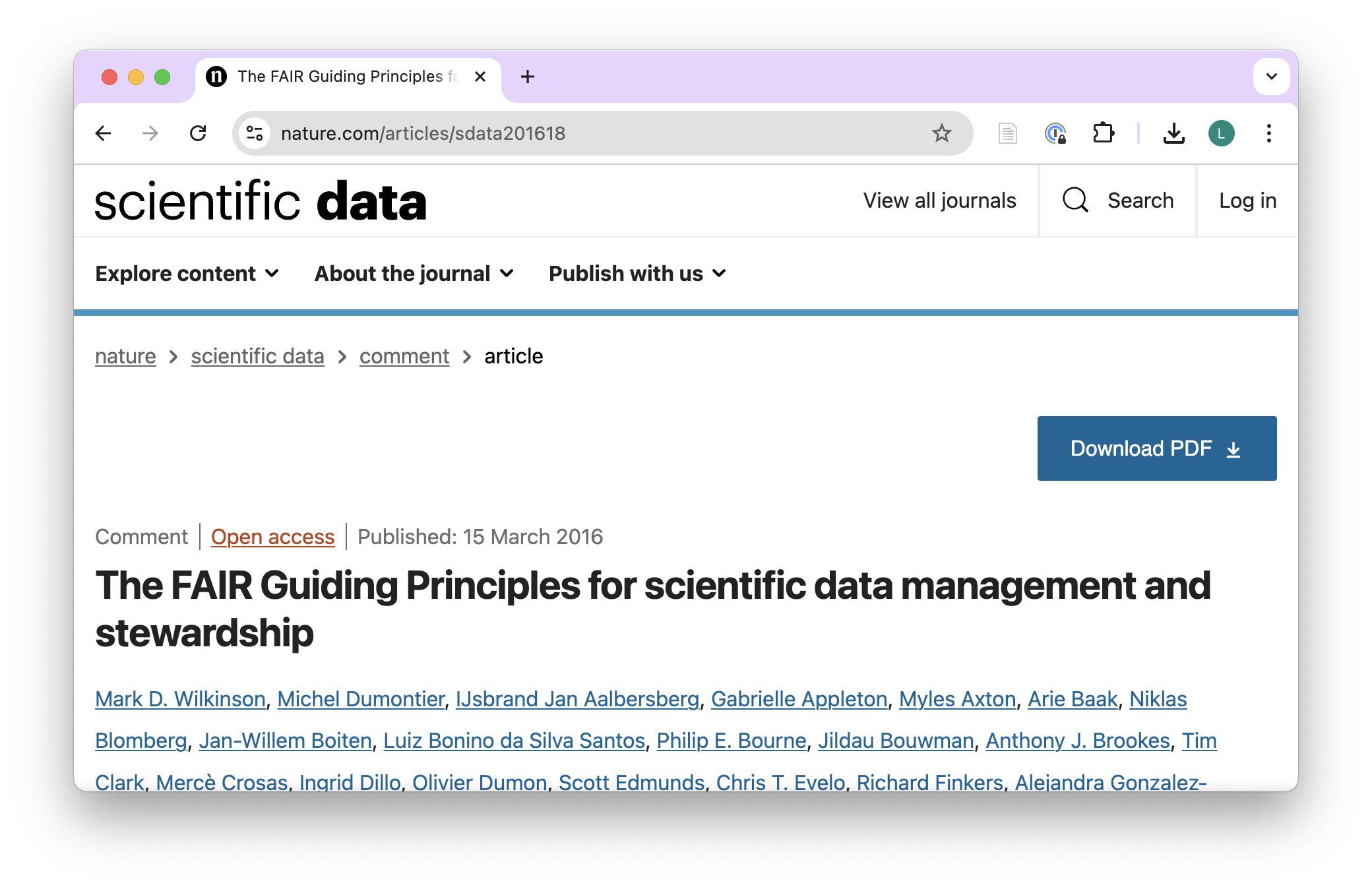
Article accessible at: https://www.nature.com/articles/sdata201618
Me (2022)

FAIR data sharing principles
- Technical in nature
- Require data management strategy to establish workflows
- Not a checkbox, but a process
Findable
Accessible Interoperable Reusable
ETH FAIR Coalition (2025)
Newly established institution-wide initiative
- Launched by the VPs for Research and Infrastructure
- Coalition Charter open for researchers and staff to sign
- Research units invited to formally join in spring 2026
- FAIR summit and three further initiatives launching summer 2026
ETH FAIR Coalition: https://ethz.ch/en/research/open-science/FAIR-Coalition.html
#3 Data management is project management
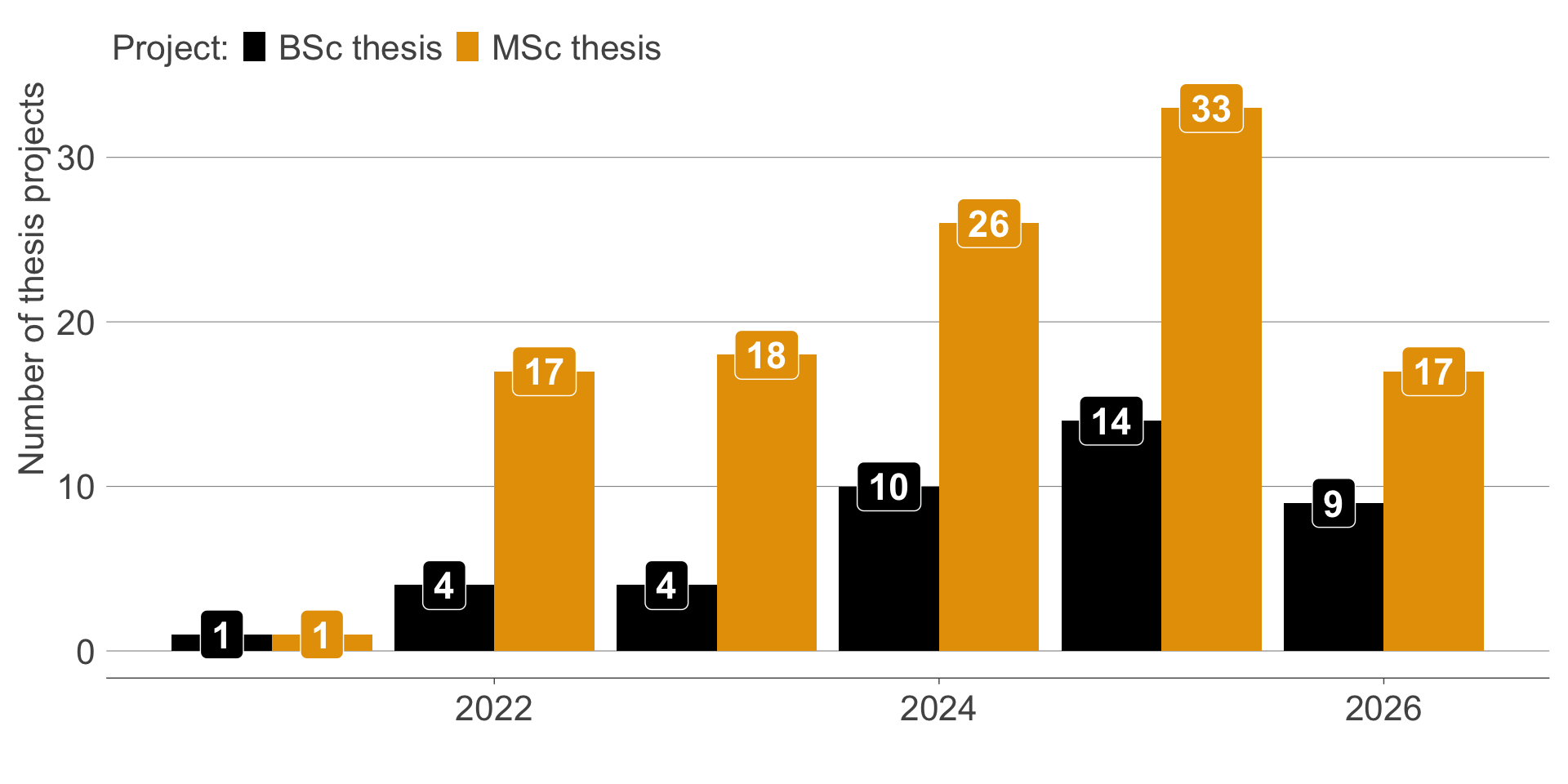
Access anonymised data from ghedata
GHE Student Wiki (public)
- Grading criteria
- Communication expectations
- Data storage and data management guidelines
- Presentation standards
- Proposal and thesis writing requirements
Transparent grading practices and clear expectations offer several advantages:
Improved student performance: When students understand what is expected of them, they are better equipped to meet those expectations.
Reduced anxiety: Clear guidelines help alleviate student stress and uncertainty about assignments and evaluations.
Fairness: Transparent grading criteria ensure that all students are evaluated consistently and equitably.
Enhanced learning: Students can focus on learning objectives rather than guessing what the supervisor wants.
Grading rubric & data publication
Four areas of evaluation with 31 sub-areas
- 40/100: Research competence
- 40/100: Thesis report
- 10/100: Colloquium
- 10/100: Examination
‘Data Management’ under ‘Research Competence’
6: Data is fully documented, organized, easy to reproduce, and publication ready. Everything is stored on Google Drive.
But, data publication requirement
Obtaining a 6 from all sub-areas but not publishing the data in the form of a repository will result in a maximum allowed grade of 5.75.
Our Grading rubrics
#4 Low IT affinity is not a lack of aptitude
Safe learning environments
Growth-mindset for better learning outcomes
- Fixed mindset: ‘I’m not good’
- Growth mindset: ‘I can learn’
Create safe learner environments
- Regular 1:1 research data management meetings
- Bi-monthly half day team events
- Yearly retreat
Access our Strategy & Planning
#5 Data != Data
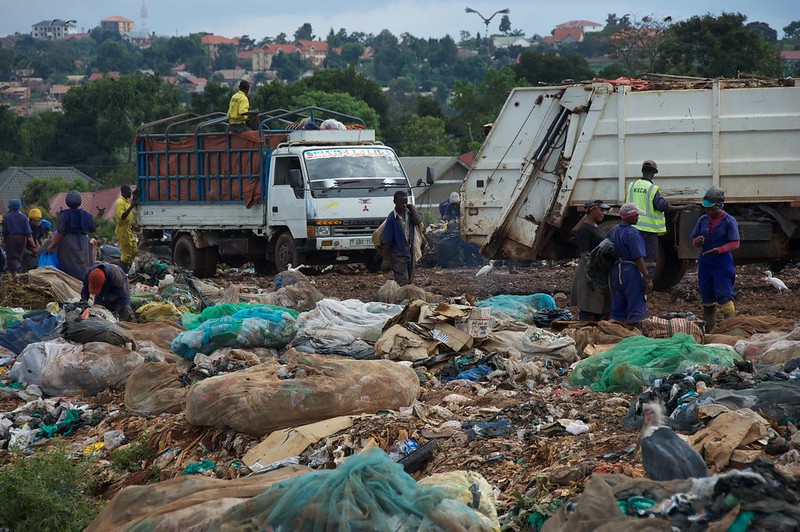
Disclaimer: Data at GHE
- small (few MBs)
- tabular
- non-sensitive
- topics
- waste management
- sanitation
- air quality
- etc.
Three terms for three stages
Three terms for three stages
| term | explanation | file format |
|---|---|---|
| unprocessed raw data | data that is not processed and remains in its original form and file type | often XLSX, also CSV and others |
Three terms for three stages
| term | explanation | file format |
|---|---|---|
| unprocessed raw data | data that is not processed and remains in its original form and file type | often XLSX, also CSV and others |
| processed analysis-ready data | data that is processed to prepare for an analysis and is exported in its new form as a new file | CSV, R data package |
Three terms for three stages
| term | explanation | file format |
|---|---|---|
| unprocessed raw data | data that is not processed and remains in its original form and file type | often XLSX, also CSV and others |
| processed analysis-ready data | data that is processed to prepare for an analysis and is exported in its new form as a new file | CSV, R data package |
| final data underlying a publication | data that is the result of an analysis (e.g descriptive statistics or data visualization) and shown in a publication, but then also exported in its new form as a new file | CSV |
#6 Data management is a process, not a checkbox
#7 Findable: Publish for humans and computers
Automation from ETH Research Collection
Automation from Zenodo
Automation from GitHub
Open Source
made for collaboration
Automation from GitHub
made for humans
#8 Research intelligence with ghedata
Making our own work visible
ghedata: an R data package
- Openly shared collection of GHE’s operational data
- Supervision table, LinkedIn statistics, Zenodo metadata, GitHub usage
- Treated together, these give us “research intelligence”, actionable insights for supervision, publishing, and Open Science investments
Why?
- Measure the impact of embedded data stewardship
- Inform strategic decisions
- Practice what we preach: open by default
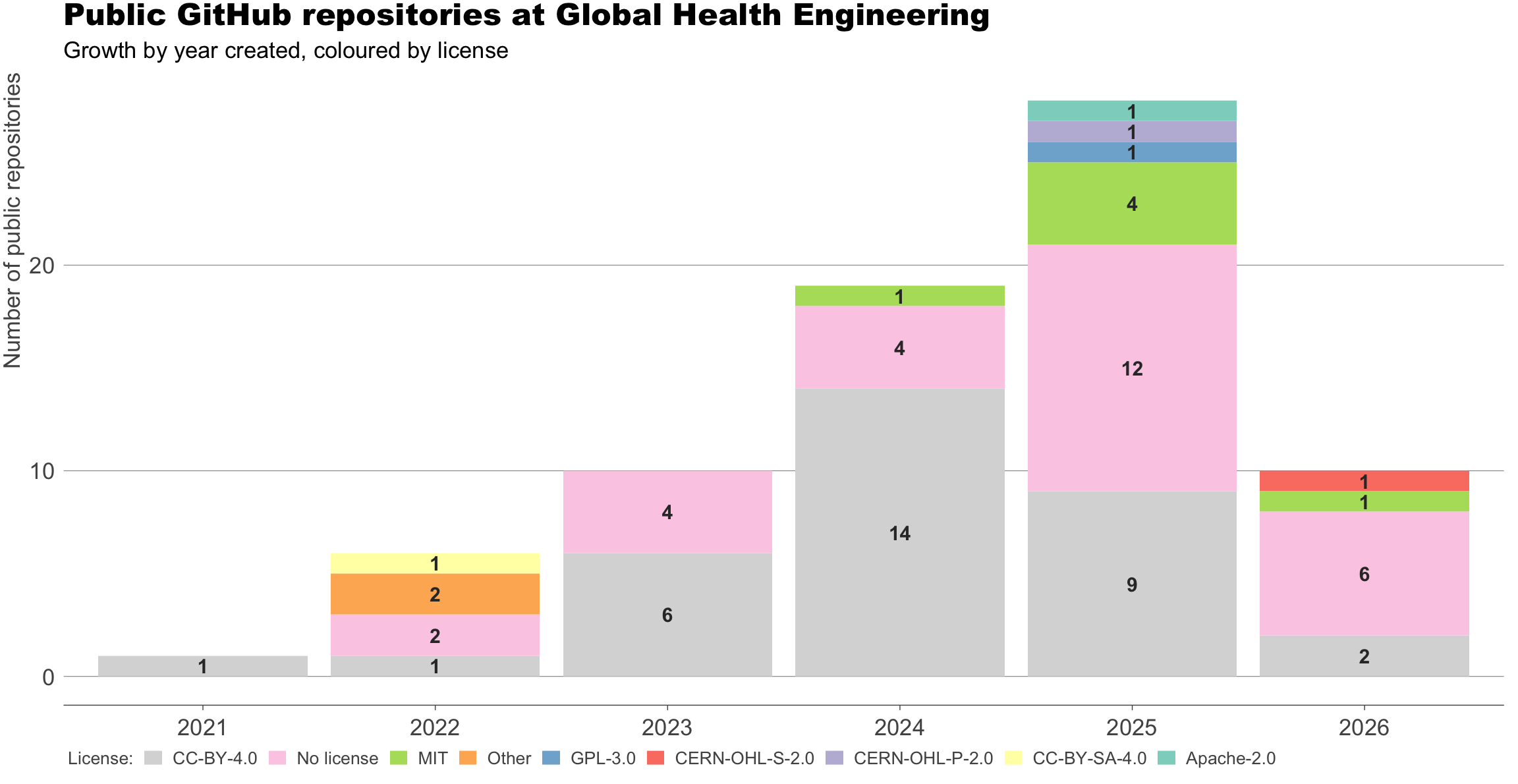
Figure 1
What we are building toward
- Data stewards belong inside research groups, not only in central services
- Cultural shift toward research that is open, transparent, and reproducible
- Designing metrics for the value of data stewardship services
8 take-aways
- #1 Technology is not on our side
- #2 ETH wants reproducibility
- #3 Data management is project management
- #4 Low IT affinity is not a lack of aptitude
- #5 Data != Data
- #6 Data management is a process, not a checkbox
- #7 Findable: Publish for humans and computers
- #8 Research intelligence with
ghedata
Thanks!
Slides created via revealjs and Quarto: https://quarto.org/docs/presentations/revealjs/
Slide background image taken from Danielle Navarro
Access slides as PDF on GitHub or on https://ghe-open.ch/slides/
All material is licensed under Creative Commons Attribution Share Alike 4.0 International.